Mobility built around young people.
NextGenMobility designs, pilots and tests youth-centred urban mobility — so the things young people need are reachable in 15 minutes on foot, by bike or by public transport.
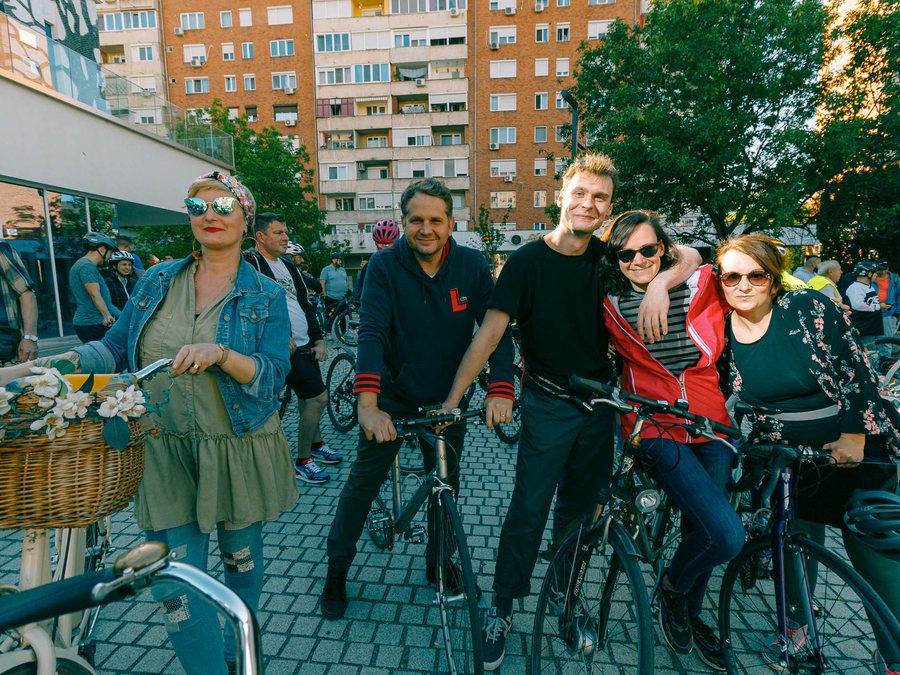
The most mobile generation — and the least consulted.
Transport systems are rarely designed around how young people actually move, or how they feel about distance, safety and comfort. That gap nudges them toward car dependency and weakens their connection to the places they live.
Perception shapes behaviour
How safe, comfortable and easy a journey feels guides choices as much as the infrastructure itself.
An underrepresented voice
Young people are mobile, environmentally aware and digitally connected — yet seldom heard in mobility planning.
Proximity as the answer
The 15-minute city can make daily life reachable without a car — if it is designed with young residents, not just for them.
Proximity is only half the story.
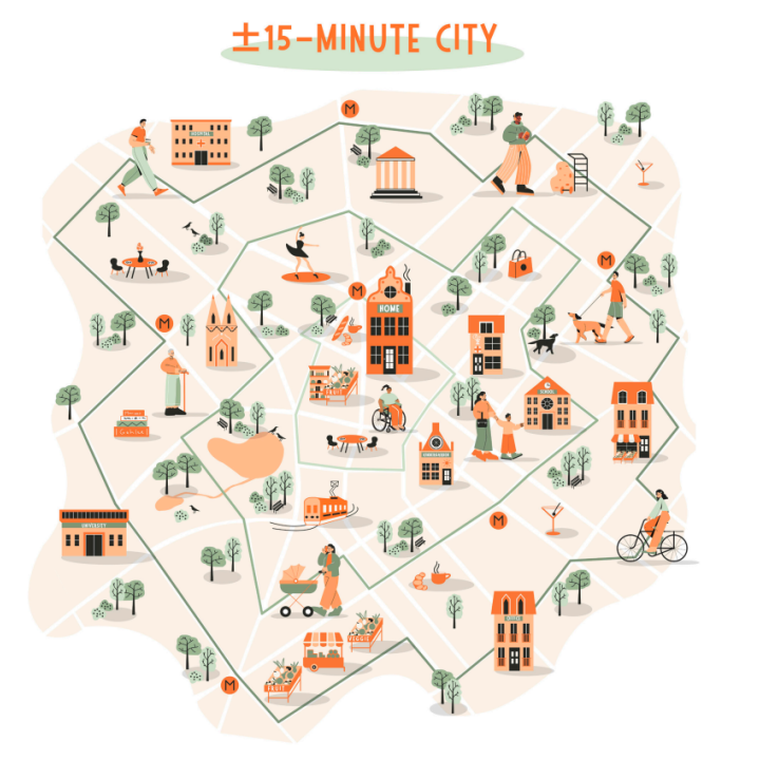
The 15-minute city reorganises urban life around proximity — education, work, services, green space and leisure reachable on foot, by bike or by public transport. But a school or transport hub can be close yet still feel unsafe or hard to reach. NextGenMobility adds a youth-centred, perception-based layer on top of the concept — asking not just whether places are near, but whether young people experience them as accessible, safe and usable.
Four research instruments, one shared evidence base.
We combine quantitative and qualitative research to understand youth mobility from the inside out — then channel every finding into the Living Labs and into tools other cities can reuse.
Youth mobility perception analysis
A scalable survey-and-interview toolkit measuring how young people perceive distance, safety, accessibility and convenience — the behavioural and psychological side of mobility choices.
Youth-focused mobility audit
A modular, georeferenced audit of network functionality, safety, comfort, intermodality and inclusion — co-produced with young people and distilled into a Youth Mobility Stress Index.
City Information Modelling (CIM)
A four-layer digital twin — structural, functional, human-logic and simulation — that turns mobility data into "what-if" scenarios and a co-creation space for stakeholders.
Urban Living Lab framework
A shared five-step process for planning, running, monitoring and evaluating each Living Lab — built on co-creation, real-life experimentation and learning loops between cities.
Three cities. Three very different mobility realities.
Each Living Lab is a real-world testbed where youth, city authorities, planners, NGOs and transport providers co-develop solutions. Their diversity is the point — it makes what works transferable across small and medium-sized European cities.
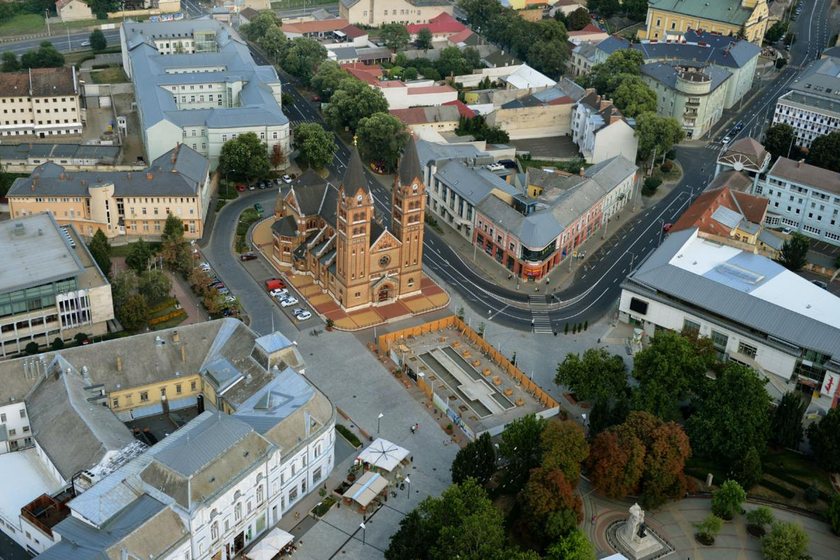
Nyíregyháza
Addressing socio-spatial inequalities and limited transport access, with mobility as a factor in attracting and retaining young talent.

Oradea
Improving accessibility for a large student population and connecting hard-to-reach neighbourhoods through creative, sustainable mobility.

Bram
Closing connectivity gaps for a small town serving a dispersed rural catchment, where proximity has to work at a different scale.
A transnational, transdisciplinary partnership.
Eight partners across Hungary, France, Austria and Romania — three universities forming the scientific backbone, three municipalities hosting the Living Labs, plus an SME and an NGO driving coordination and outreach.








From the project and our cities.
Photos from partner meetings, fieldwork and the Living Labs will appear here as the project unfolds. The frames below are placeholders, ready for real images.
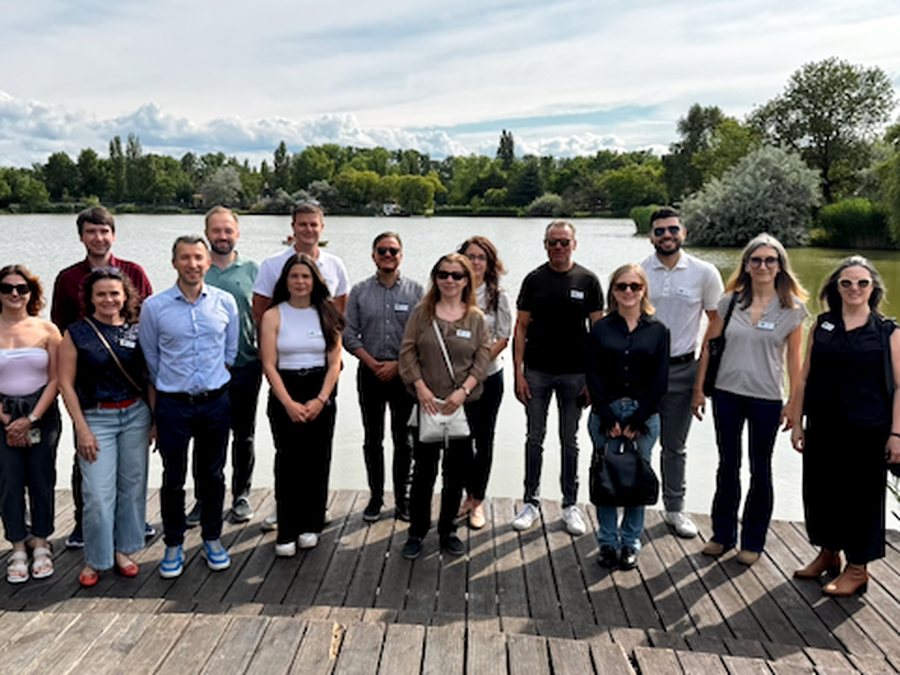 Kick-off meeting · Nyíregyháza
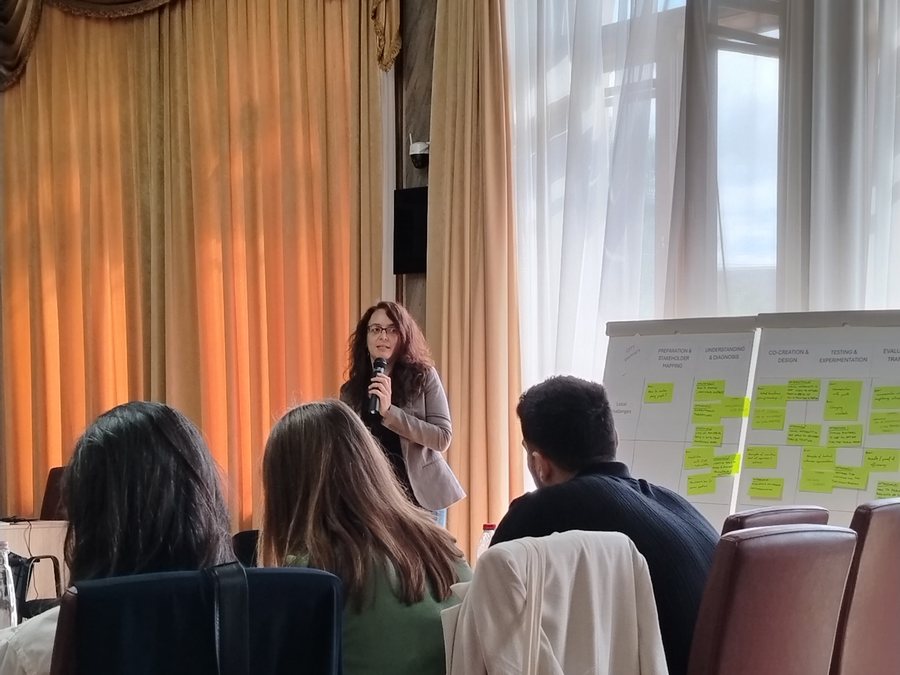 Youth mobility fieldwork
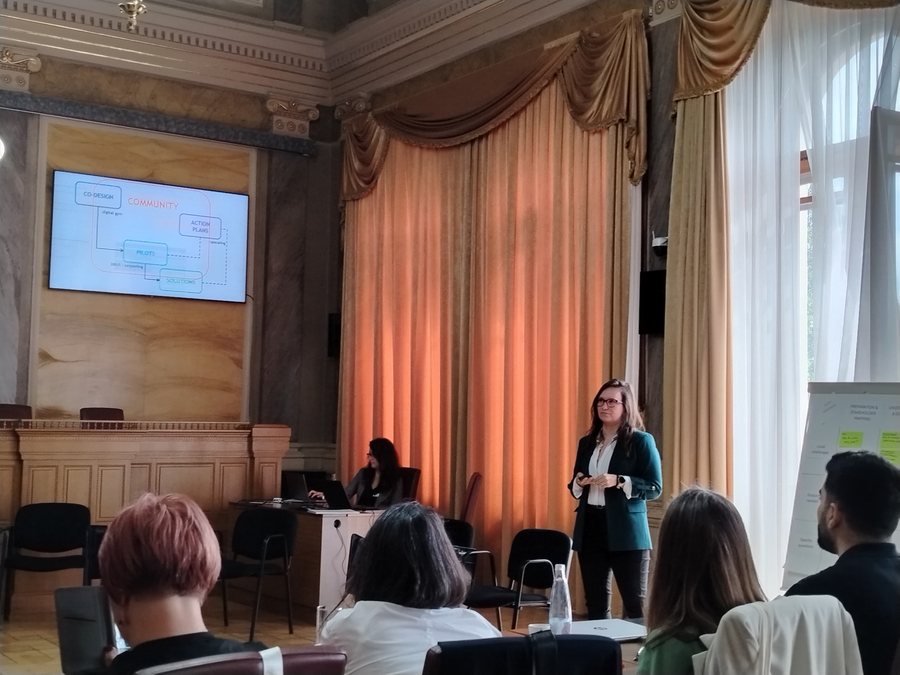 Living Lab co-design
Evidence that travels beyond the project.
Solutions designed in the Living Labs are built to be adapted and scaled — so other European cities can put them to work.
Toolkits & guidelines
Practical, adaptable resources that translate findings into steps other cities can follow.
Policy recommendations
Evidence to support cost-effective, data-driven investment in youth-centred mobility.
Academic publications
Peer-reviewed research in urban studies, mobility and environmental psychology.
The CIM platform
A reusable City Information Model for visualising mobility scenarios and decisions.
Engaged communities
Youth and local stakeholders co-owning the solutions tested in their own cities.
Validated pilots
Real interventions tested and evaluated in three distinct urban contexts.
Building the next generation's city, together.
Whether you're a young resident, a city, a researcher or a mobility organisation — there's a place for you in the conversation.
Email the coordinator →
Funded under Driving Urban Transitions.
Driving Urban Transitions (DUT) is a European partnership, co-funded by the European Commission, that helps cities tackle the urban transformation needed for a sustainable future. It works along three transition pathways.
NextGenMobility runs under the 15-minute City pathway, on the topic of inclusive and youth-centric mobility systems — putting research directly to work in real cities through its Urban Living Labs.